


For years, “exotic fruit” in Italy almost automatically meant something that had crossed an ocean. That is no longer always true. In some of Sicily’s milder areas, avocado, mango, papaya, pitaya and passion fruit have become genuine local crops.

“Exotic” is not a botanical category anyway. It is a cultural word for something that feels outside our traditional food landscape. By origin alone, even the tomato was once exotic in Europe. Farming traditions change faster than our vocabulary.
Avocado: a tropical fruit people are beginning to know by cultivar
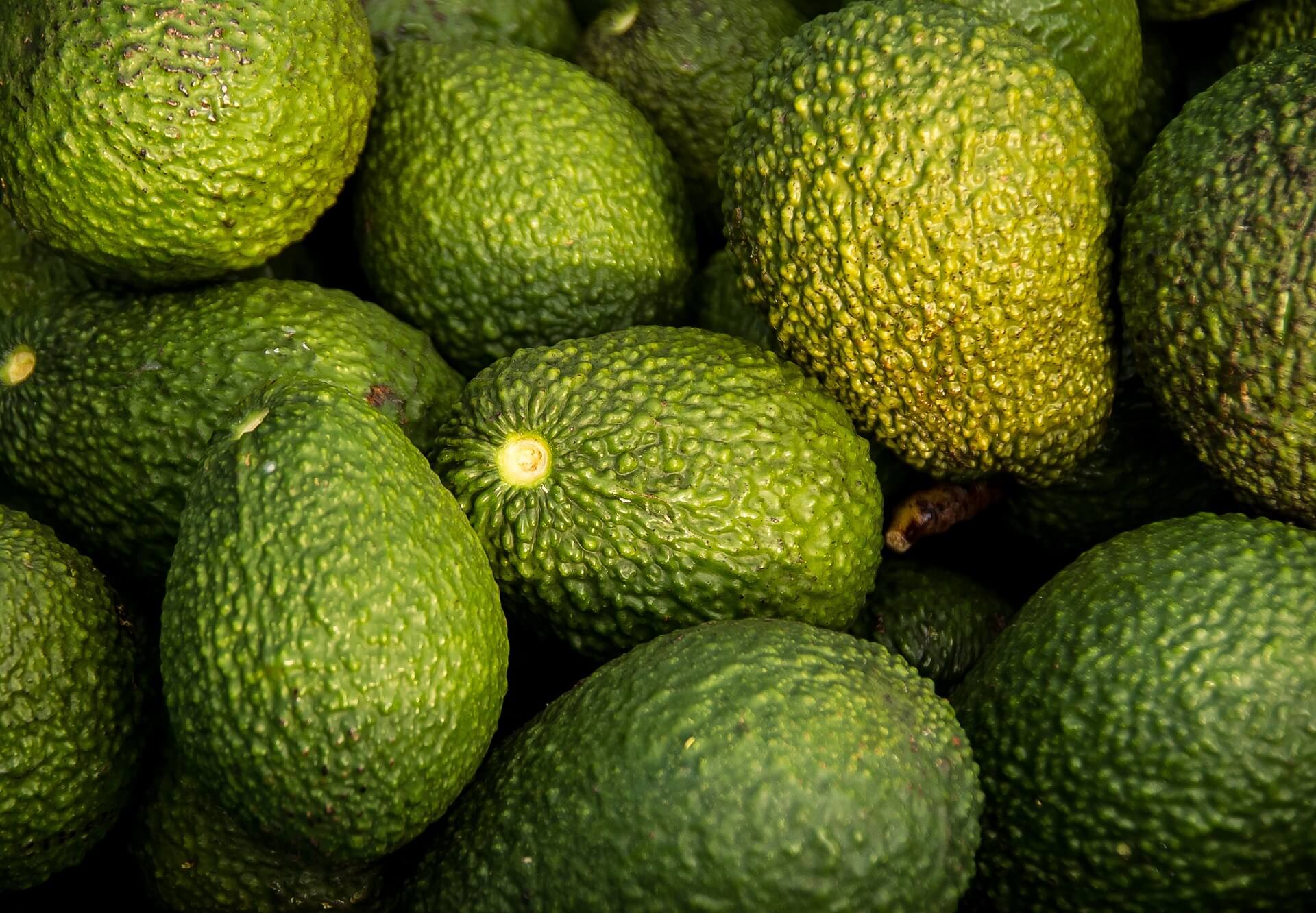
Hass, Fuerte, Bacon and Pinkerton are not interchangeable names. Hass often darkens as it ripens and has creamy flesh; Fuerte may stay green, confusing anyone who relies only on colour. Sicilian growers use cultivars with different harvest windows.

Avocado continues ripening after harvest, so receiving it firm can be useful rather than disappointing. It lets you control when you eat each fruit. The tropical selection in our shop follows actual seasonal availability.

Sicilian mango: fragrance matters more than colour
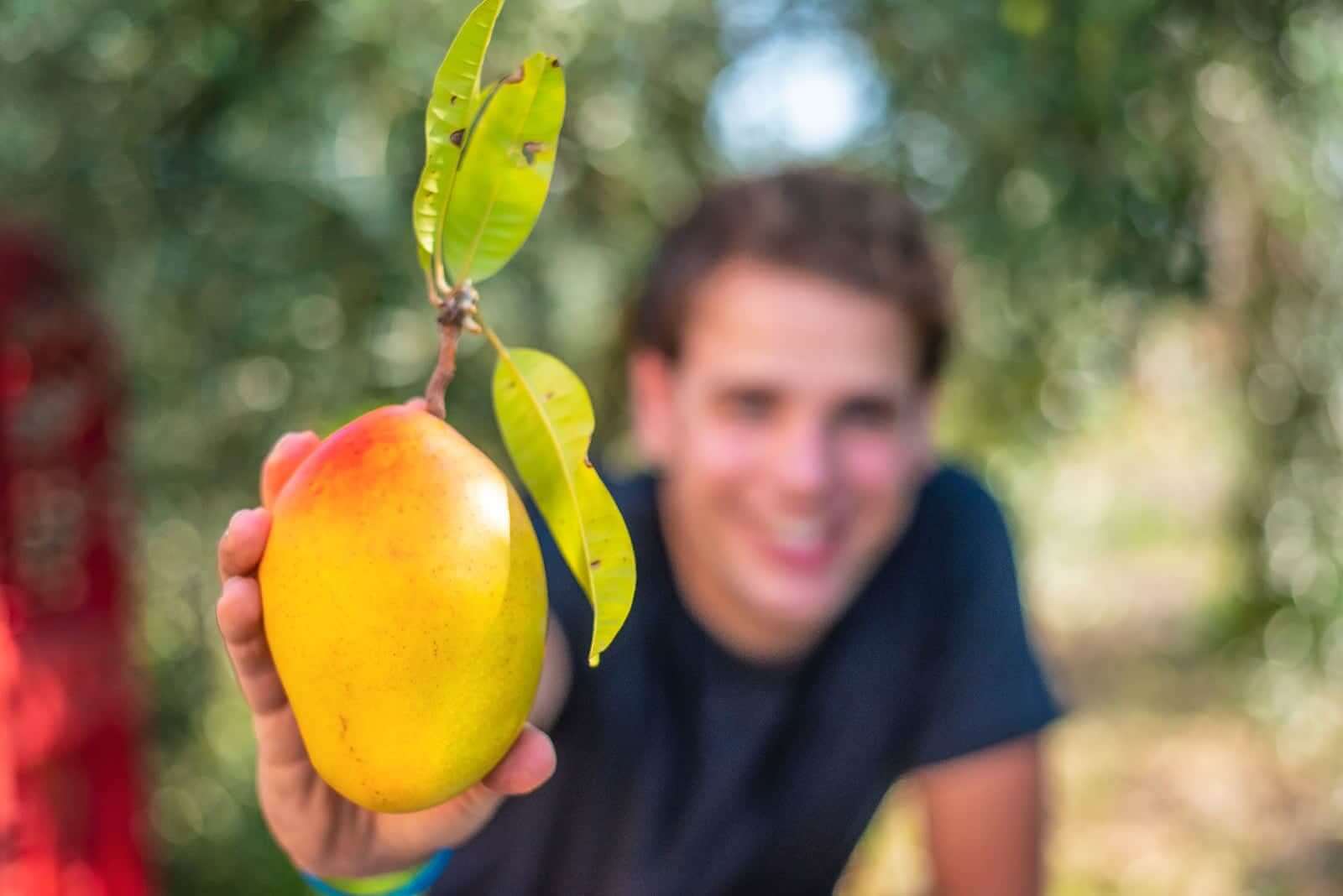
A ripe mango often tells you more through smell than through skin colour. Green, red and yellow patterns depend on the cultivar; aroma near the stem and a slight give are generally more useful. Sicilian mango production has developed especially in mild coastal and foothill areas.

A properly ripe mango needs very little. Cut it into cubes and add only a few drops of lemon, or use it in a savoury salad with red onion, herbs and a salty cheese.
Pitaya: dramatic outside, surprisingly delicate inside
Dragon fruit looks designed for a shop window: bright skin, green-tipped scales and flesh dotted with tiny black seeds. Its flavour is much quieter than its appearance suggests—fresh, delicate and easy to use in fruit bowls or simply with a spoon.
Sicilia Agrumi offers Sicilian pitaya when the harvest allows. Flesh may be white or more deeply coloured depending on the type; colour alone is not a universal ripeness test.
Papaya: timing changes everything
An underripe papaya can be firm and understated. As it ripens, the flesh softens and the aroma develops. If it arrives firm, let it progress at room temperature and check it each day rather than refrigerating it immediately.
The black seeds in the centre are easily removed with a spoon. Papaya works beautifully with lime or lemon and in breakfast bowls, fruit salads and sauces. Like any fresh crop, it should not be treated as identical twelve months of the year.
Passion fruit: a small fruit with an enormous perfume
Passion fruit is almost the opposite of pitaya. The outside is modest; inside, the aroma is concentrated. The gelatinous pulp and seeds are eaten together. A wrinkled skin does not necessarily mean the fruit is spoiled—it often accompanies advanced ripeness.
Use it on yogurt, cheesecake, in drinks or in a sauce for fish. A little goes a long way, so taste the fruit on its own before deciding how much a recipe needs.
Why can tropical fruit grow in Sicily?
Not because Sicily has suddenly become tropical. The island contains many microclimates, and some coastal or sheltered areas have winters mild enough for subtropical species. Exposure, wind, irrigation and soil are still decisive; a few kilometres can make a major difference.
It is a new chapter in Sicilian farming rather than a replacement for citrus. In fact, seeing mango and avocado grown alongside lemons and oranges is part of what makes the development interesting.
How to buy exotic fruit more intelligently
Look at origin, cultivar and ripeness stage. Do not expect every fruit to be ready on delivery day: some travel better while still firm. And do not confuse harmless skin imperfections with poor flesh.
A mixed tropical box is often the best introduction because it follows what is actually being harvested rather than an abstract list of twenty fruits. Check the current Sicilian fruit selection and let the season decide what goes in the box.


