


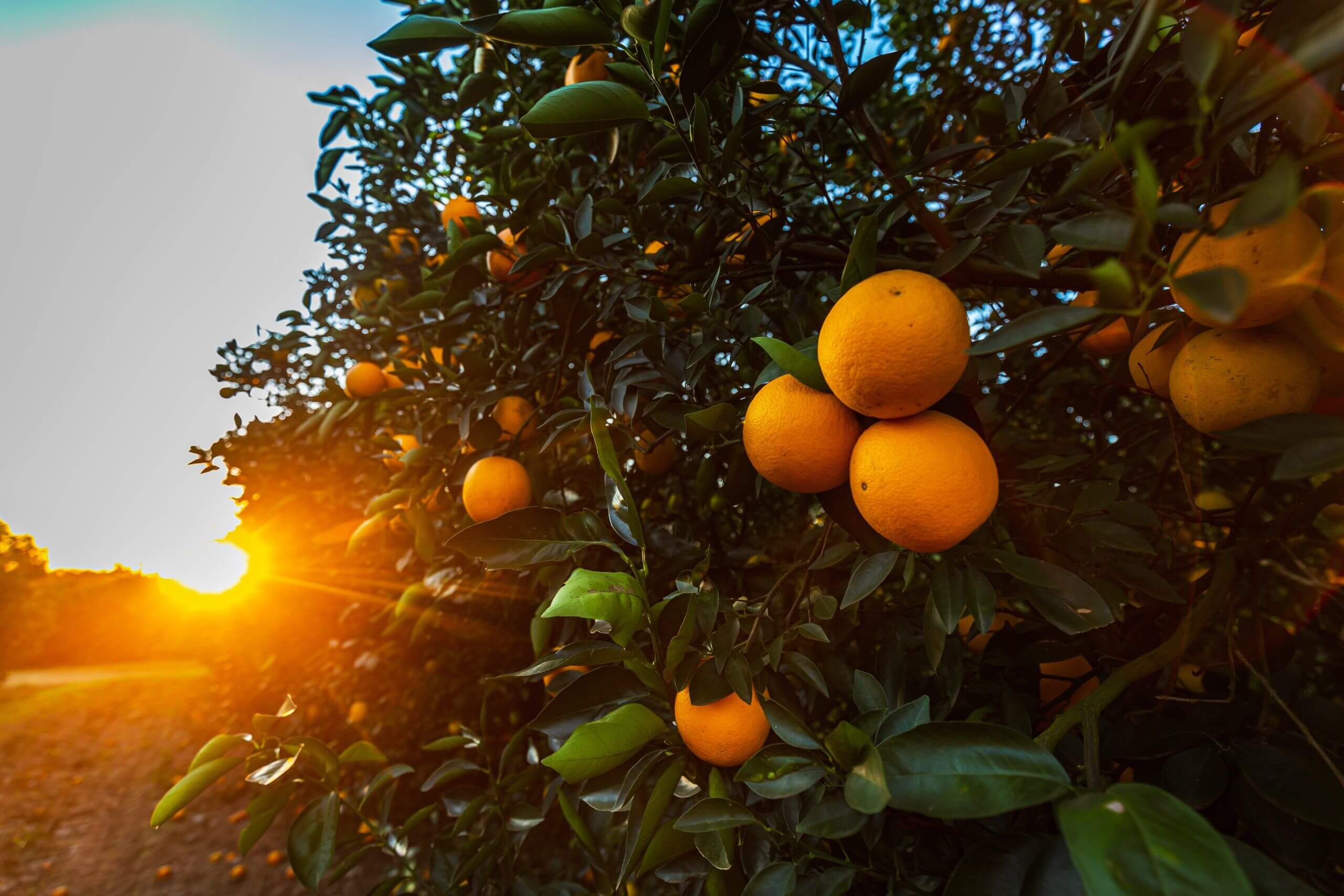
Zagara is one of those scents you recognise before you see its source. In spring, driving past a citrus grove with the window open can be enough. It is intensely floral but clean, and quite different from the fragrance of the fruit that will appear months later.

The word zagara is commonly used in Sicily for citrus blossom: orange, lemon, mandarin and other Citrus species. The flowers are small and white, almost modest on their own. When thousands open together, even people with no connection to farming notice.
When does zagara bloom?
The main citrus flowering usually takes place in spring, but there is no identical date every year. Temperature, rain, exposure and cultivar can all move the season. People living near orchards notice it instantly: some years the scent seems to arrive overnight; in others the bloom unfolds gradually.

Lemon trees deserve a special note because some varieties flower more than once. Syracuse Femminello can produce several flowering cycles, leading to Primofiore, Bianchetto and Verdello crops. Its calendar is therefore more complex than that of many orange varieties.

Not every flower becomes a fruit
A tree in full bloom can look as though every flower is a future orange, but the plant naturally sheds many of them. Only part of the blossom sets fruit. The tree regulates its crop according to its resources and the conditions of the season.
After fruit set, months of growth still lie ahead. That long interval is a useful reminder that the availability and price of a box of citrus are not decided only in the week it is shipped; the crop began much earlier.
Why zagara is so closely tied to Sicily
Citrus groves have shaped the island’s landscape, economy and sensory memory for generations. The word itself has Arabic roots, reflecting the long Mediterranean history of citrus. For people raised near orange groves, the fragrance of blossom can mark spring more clearly than a date on a calendar.
Zagara also entered wedding traditions. Small white blossoms were used in crowns and decorations as symbols of purity and good fortune. The custom sounds romantic today, but it began with something very practical: fragrant flowers that were abundant in the countryside.
Neroli: when bitter-orange blossom becomes perfume
The flowers of bitter orange are distilled to produce the essence known as neroli, long used in perfumery. It is a beautiful example of one tree serving several worlds: robust rootstock in an orchard, bitter fruit for marmalade and flowers for fragrance.
Older Sicilia Agrumi articles mention this connection when discussing bitter oranges. It shows how citrus culture found uses for fruit, peel, blossom and essential oils rather than seeing the crop as a single product.
How citrus-blossom honey is made
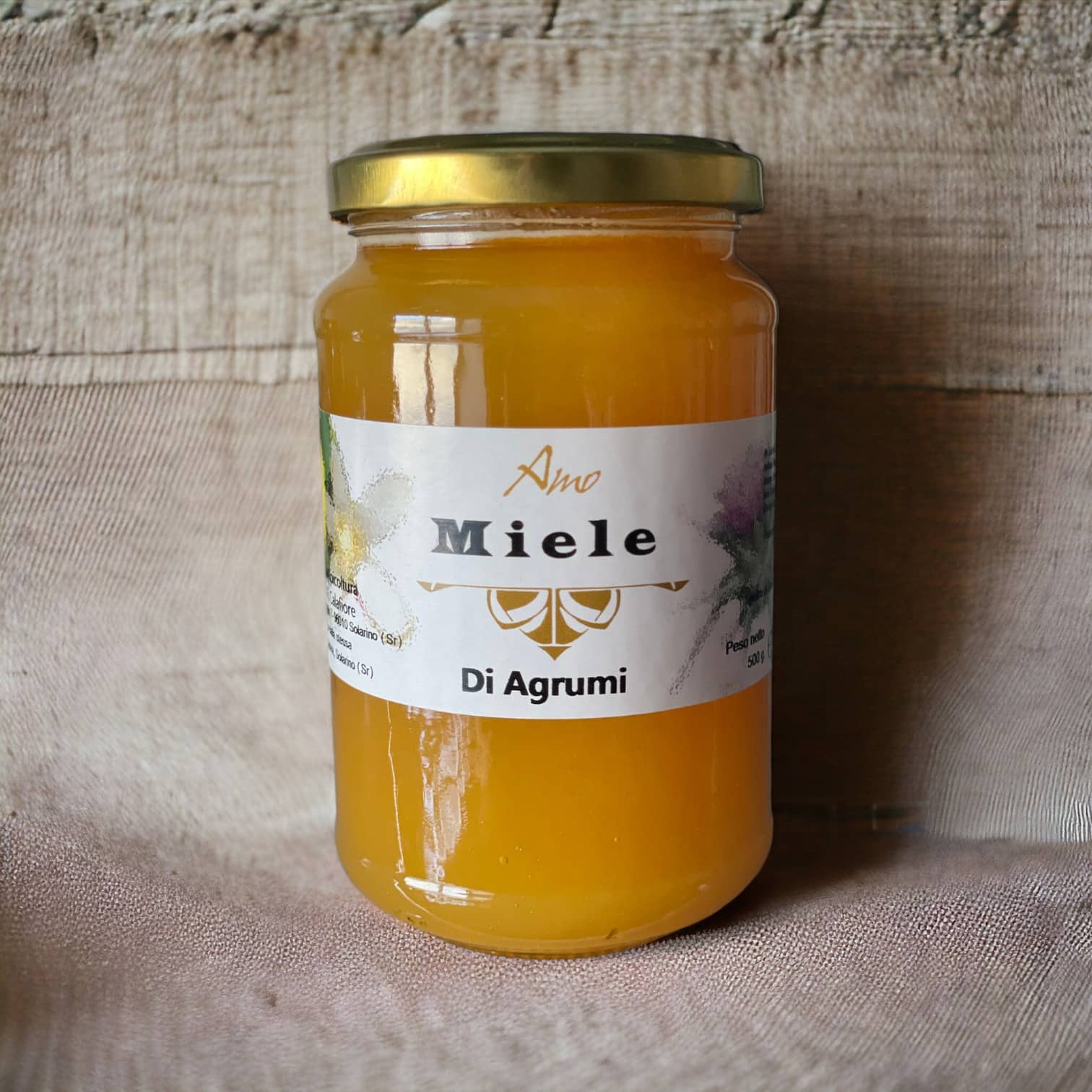
During flowering, bees visit the blossoms for nectar. The result is citrus honey, commonly called zagara honey. Its aroma varies with the citrus species, the area and the weather of that particular flowering season.
The citrus-blossom honey sold by Sicilia Agrumi is produced in the Syracuse area. Its floral profile works beyond tea: try it with ricotta, fresh cheese or simply on toasted bread.
Next time you eat an orange, remember the flower
It is easy to focus on the finished fruit and forget that it began months earlier as a small white blossom. Zagara may be the most fleeting moment in the citrus year. You cannot pack its perfume into a fruit box, but it tells the story of the crop better than almost anything else.


