


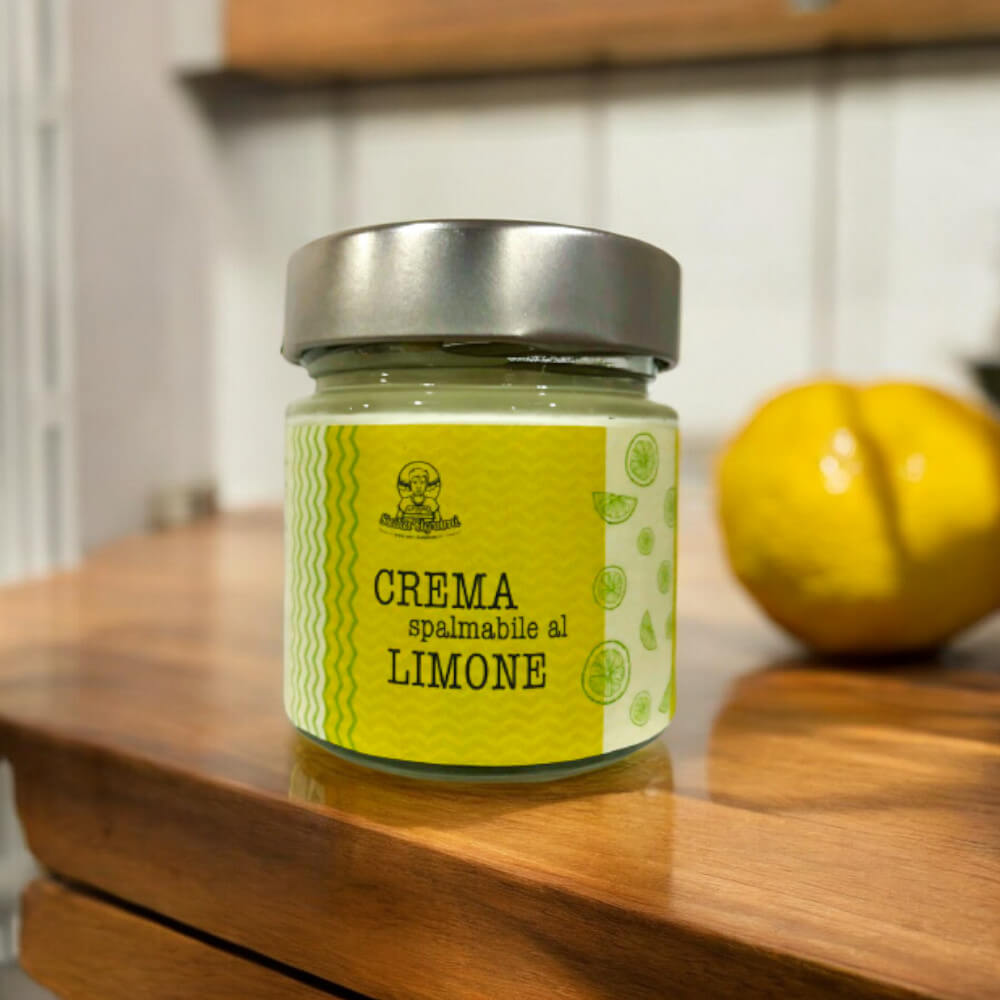
Orange curd is an intense, shiny and slightly acidic orange cream, a relative of the better-known lemon curd. It is not a custard: it does not contain milk and the structure comes from the combination of eggs, juice, sugar and butter. It is spread on bread, filled in a tart, accompanied by yogurt and biscuits. The difficulty is not in the list of ingredients, but in the control of the heat: if the cream boils violently, the eggs can get scrambled and the fresh scent of the orange is flattened.
Ingredients for a generous jar
- 150 ml of freshly squeezed and filtered orange juice
- very fine zest of 2 oranges with edible peel
- 2 whole eggs and 2 egg yolks
- 120 g of sugar
- 90 g of cold diced butter
- 1 teaspoon of lemon juice, optional
- a pinch of salt
Lemon should not replace orange; it only serves to give tension if the fruit is very sweet. Before starting, taste the juice. A ripe navel requires a different balance than a more acidic orange. Use edible peel and take only the colored part, because the albedo would make the cream bitter.
How to prepare orange curd
- Mix the sugar and zest with your fingers: it helps to release the aromatic oils.
- Add eggs and egg yolks, working without incorporating too much air.
- Combine the juice, any lemon and salt.
- Cook in a bain-marie or in a saucepan with a thick bottom, over a low heat, stirring constantly.
- When the back of the spoon glazes, remove from the heat.
- Filter the cream and add the cold butter little by little.
With a thermometer look for around 82-84°C. Without a thermometer, draw a line with your finger on the back of the spoon: if it remains clear, the cream is ready. Don’t wait until the pan seems thick like cold cream; it will acquire structure in the refrigerator.
Why is the butter added at the end
The cold butter emulsifies the cream, makes it shiny and softens the sensation of the eggs. Placing it off the heat protects the emulsion better. You can blend briefly with a stick blender held under the surface, avoiding bubbles. If you prefer a clearer orange flavour, do not indiscriminately increase the zest: rather reduce the butter slightly.
How to avoid lumps and egg taste
Too high heat is the main culprit. Mix, also reaching the edges and bottom of the saucepan. The passage through the sieve is not an admission of defeat: it eliminates pieces of coagulated egg white and coarse zest, giving a professional consistency. A pinch of salt and fresh zest help the flavor profile. If you smell sulphur, the temperature has probably risen too much or the cream has been left on the heat for longer than necessary.
Variations without distorting the recipe
With Moro oranges you get a deeper color, which however can fade during cooking. With Cara Cara the cream is sweeter and more delicate. You can add vanilla, cardamom or a teaspoon of orange liqueur, but only one of these elements: too many flavors make the fruit disappear. For a filling consistency, cook slightly longer; To pour it on yogurt, stop as soon as you touch the spoon.
Conservation and safety
Pour the hot curd into a very clean jar, cover the surface or close and leave to cool quickly. Store in the refrigerator and consume within about a week. Don’t treat it like pantry jam: it contains eggs and butter. Always use a clean spoon and do not leave it at room temperature for a long time. You can freeze it in small portions for one or two months and defrost it slowly in the refrigerator.
How to serve it and which oranges to buy
Spread it on brioche and toast, use it between two biscuits, in a baked tart or inside a layer cake. A spoonful also revives panna cotta and fiordilatte ice cream. The result depends on the raw material: you need fragrant juice and really usable zest. ORGANIC navel oranges with edible peel are a convenient base because they are sweet, seedless and easy to work with. Prepare the curd when the box is fresh: the scent of the zest is half the recipe.
Frequently asked questions before we start
Can I prepare or organize everything in advance?
It depends on the preparation, but one rule is always useful: keep the most delicate parts separately and combine them as late as possible. Juice and zest lose their scent over time, while humidity and temperature changes change consistency. If working ahead, use clean containers, date and maintain the cold chain when the recipe calls for it. A fresh result often comes from good organization, not from a last ingredient added to correct.
How do I choose suitable oranges?
Look for fruit that is heavy for its size, intact and consistent with use: small caliber for lots of juice, medium or large for segments and presentation. If the recipe uses zest, check that the peel is declared edible. The variety matters, but its harvest time also matters. Tasting the fruit before measuring out sugar, vinegar or spices avoids most errors and makes each preparation suitable for the box that actually arrived.
From the recipe to your order: choose Sicilia Agrumi
Would you like to start with fresh Sicilian citrus fruit suited to this recipe? Discover and buy the recommended product from the Sicilia Agrumi shop. Choose the box size according to the number of people you are serving: the fruit comes directly from the grower, and anything left can be enjoyed fresh or used in another recipe.


