


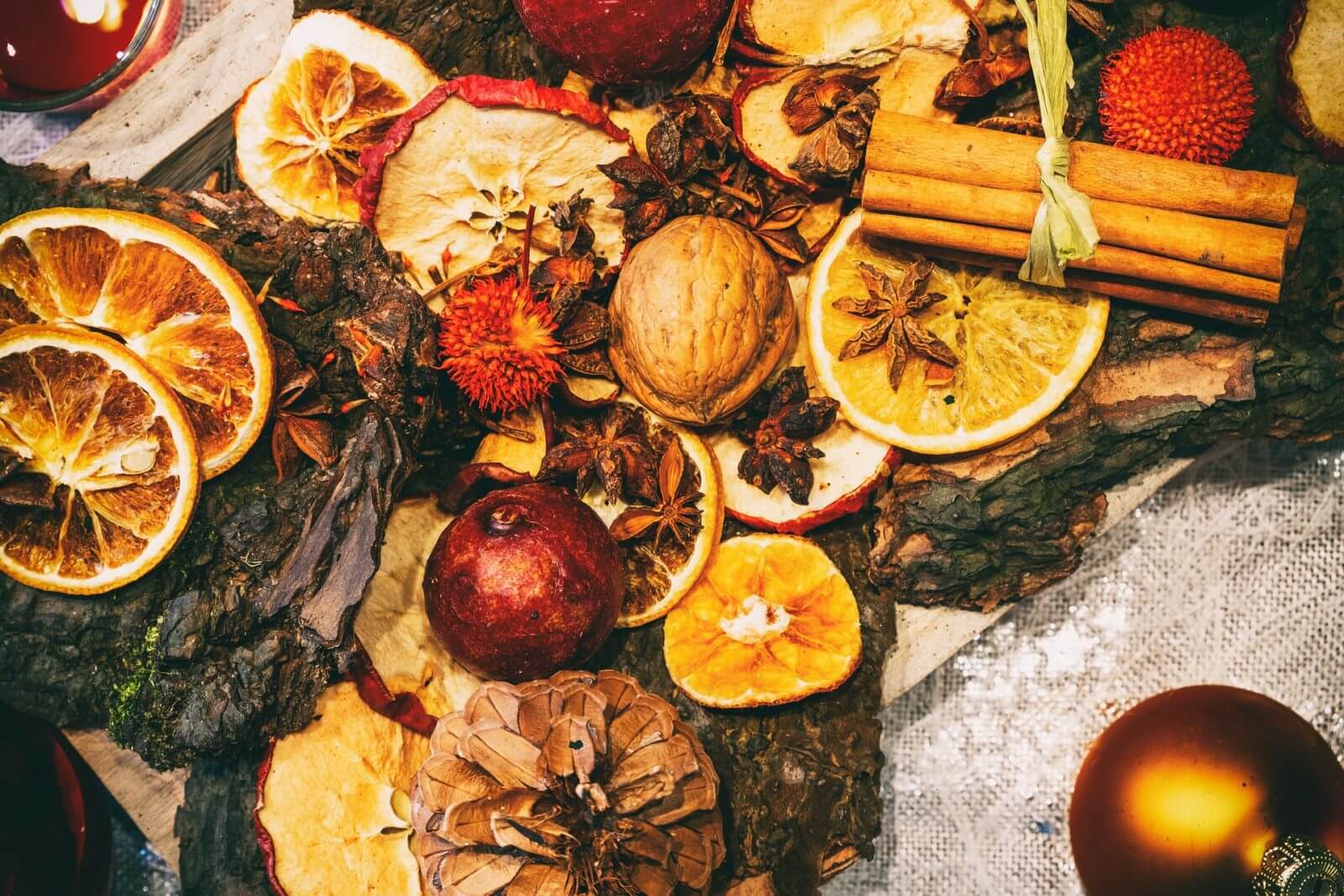
An orange covered in cloves is a simple and very fragrant traditional decoration. It is often called pomander: over time the fruit loses water, the rind dries out and the spices spread a warm aroma. However, it is not enough to insert cloves at random and leave the orange in a bowl. To avoid mold you need healthy fruit, not too dense patterns, air and controlled drying. It’s a slow job, perfect for waiting for Christmas.
Which orange to choose
Choose a small or medium fruit, firm, with intact skin and without soft areas. A smooth peel makes drawing easier, but small natural surface marks are not a problem if the peel is healthy. Very ripe and juicy oranges take longer to dry. Do not use damaged fruit or fruit that has already been stored for a long time: pomander is not a way to recover a rotting orange.
Required
- hard-boiled oranges
- whole cloves
- a toothpick or thin awl
- cotton tape, optional
- ground cinnamon and other dry spices, optional
- a rack or paper bag for drying
The toothpick is used to prepare the holes without breaking the nails. The tape can create guidelines and leave spaces to tie the fruit when dry. Do not use film or materials that block air.
How to decorate the orange
Draw a band, spiral, stars or geometric lines by marking small dots at least half a centimeter apart. Pierce the peel superficially and insert the pointed part of the nail. Don’t dig into the pulp more than necessary: each hole releases moisture. Leave free areas between the motifs. Full coverage is spectacular, but requires many nails and can make it more difficult to control the surface.
The ribbon trick
Wrap two cross ribbons around the orange before starting and decorate the exposed parts. After drying you can replace them with a clean ribbon and create a bow. The undecorated bands form a neat design and reduce the number of holes. Loosen or remove the tape while drying, as moisture can remain underneath the fabric.
Drying and mold prevention
Place the pomander on a grill in a dry, cool and ventilated place. Turn it every day for the first few weeks. Alternatively, place it in a paper bag with a dry mixture of cinnamon and spices, shaking it gently and checking it often. Don’t close it in plastic. If a soft spot or widespread mold appears, remove the fruit: spraying perfume on it doesn’t solve the problem.
How long does it take and how long does it last
It takes two to six weeks depending on the size, humidity and quantity of nails. The fruit becomes lighter, smaller and harder. A well-dried pomander can last months and sometimes longer, but it should always be checked. The scent gradually diminishes; it can be revived with a small sprinkling of cinnamon, without wetting the surface with liquids.
Where to place it
Use it as a centerpiece, hang it away from delicate walls, or place it in a closet when completely dry. Avoid radiators, flames, strong sunlight and very humid rooms. In the first few days, protect the furniture: juice or oils can leave marks. Do not consider it a food after weeks of exposure and handling.
A sustainable decoration, but with common sense
The pomander uses natural materials and does not require plastic, but remains a fruit intended for decoration. If you want to avoid waste, prepare a few pieces and use the rest of the box in the kitchen. The Organic Sicilian navel oranges have a peel suitable for neat designs; choose the smaller fruits for the pomander and save the large ones for table and juice. The perfume comes from patience, not from an added essence.
Frequently asked questions before starting
Can I prepare or organize everything in advance?
It depends on the preparation, but one rule is always useful: keep the most delicate parts separately and combine them as late as possible. Juice and zest lose their scent over time, while humidity and temperature changes change consistency. If working ahead, use clean containers, date and maintain the cold chain when the recipe calls for it. A fresh result often comes from good organization, not from a last ingredient added to correct.
How do I choose suitable oranges?
Look for fruit that is heavy for its size, intact and consistent with use: small caliber for lots of juice, medium or large for segments and presentation. If the recipe uses zest, check that the peel is declared edible. The variety matters, but its harvest time also matters. Tasting the fruit before measuring out sugar, vinegar or spices avoids most errors and makes each preparation suitable for the box that actually arrived.
From the recipe to your order: choose Sicilia Agrumi
Would you like to start with fresh Sicilian citrus fruit suited to this recipe? Discover and buy the recommended product from the Sicilia Agrumi shop. Choose the box size according to the number of people you are serving: the fruit comes directly from the grower, and anything left can be enjoyed fresh or used in another recipe.


