


The datterino can be recognized by its elongated shape, but the color is not a decoration. Red, yellow and orange bring different balances of sweetness, acidity and aroma to the dish. A side-by-side tasting is the clearest way to choose; in cooking, mixing them can create a complex sauce without adding much else.
Red datterino
It is the most familiar reference: sweet, aromatic and with enough acidity to support pasta and pizza. The color remains strong even after a short cooking. It works raw, sautéed and made into a sauce.
When to choose it
For a puree with a classic flavour, a quick sauce or a caprese in which the tomato must have a presence. It is also the easiest base to mix with other colors.
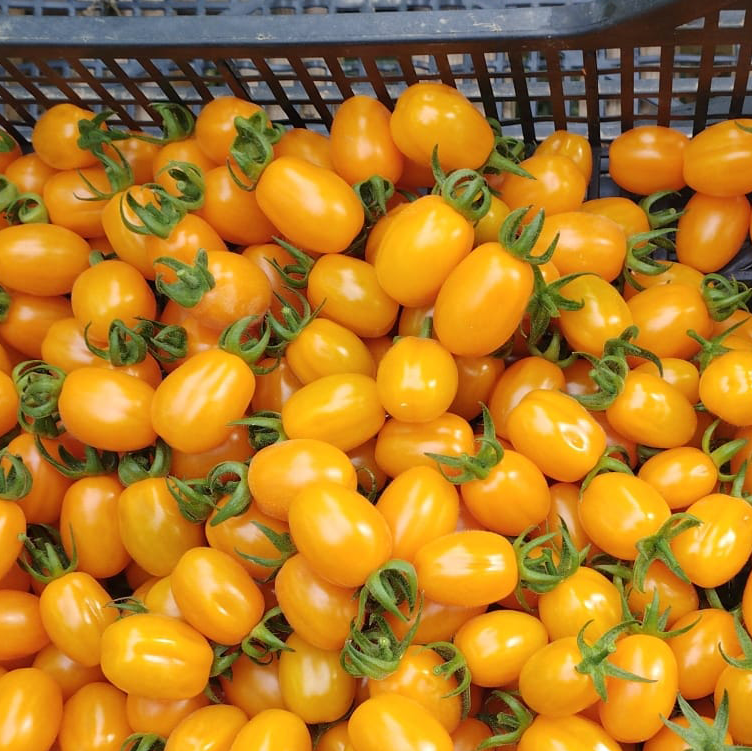
Yellow datterino
Often perceived as more delicate and sweet, it produces golden sauces with a smooth flavor. It is not devoid of acidity, but the balance changes. It goes well with fish, shellfish, ricotta and fresh cheeses.
How not to lose color
Cook it a little and blend it separately from the red. Dark herbs and long browning can make the sauce less bright.
Orange datterino
It lies visually and tastefully between the two, with fruity notes and a warm color. It is interesting raw and in mixed pans. Availability may be more limited, so it is worth using it in dishes where it remains recognisable.
Tasting and cooking
Serve three tomatoes at the same temperature, without salt, then with a drop of oil. Evaluate peel, juice, sweetness and finish. For a tricolor pasta, cook them in separate pans for a few minutes and add them only at the end.
Salt changes perception
A small amount brings out sweetness and aroma, but too much salt covers the differences. Season after the first taste.
Purchase and storage
Look for firm, intact and fragrant fruit, without deep cracks. Don’t buy three colors just for aesthetics if you won’t use them in time. Keep them in a cool place and eat them ripe; the refrigerator is useful in intense heat, but let them return to room temperature before serving.
Practical questions before buying and cooking
How do I choose quantity and format?
Start from the number of people and how many times you will actually use the ingredient. For a test or a single recipe, a small format is more rational; a larger cassette or package makes sense when you have already planned more preparations. Write a mini plan: fresh consumption, main recipe and possible transformation of leftovers. This calculation avoids both running out of raw materials halfway through the job and avoiding buying more than you can store well.
What do I check when the order arrives?
Open the packaging, check the integrity and immediately separate the more mature or delicate elements to use first. Fruit and vegetables are not identical objects: size, color and scent can vary with season and harvest. Follow product-specific storage directions, keep containers dry and do not close damp foods without ventilation. For jars and packages, check the seal, label and storage methods after opening.
How do I get a balanced result?
Taste before adding sugar, salt, vinegar or spices. The recipe provides a starting point, while the actual product decides the final fix. Proceed in small steps and note the doses and yield: with the next preparation you will also be able to better choose the quantity to order. A recognizable raw material often requires fewer accessory ingredients and leaves the dish with a clearer taste.
Buy the recommended ingredient from Sicilia Agrumi
Would you like to try this idea with a Sicilian ingredient or a ready-made product? Check availability, pack size and price in the Sicilia Agrumi shop. Choose the amount that suits your kitchen and check the season shown on the product page.


