


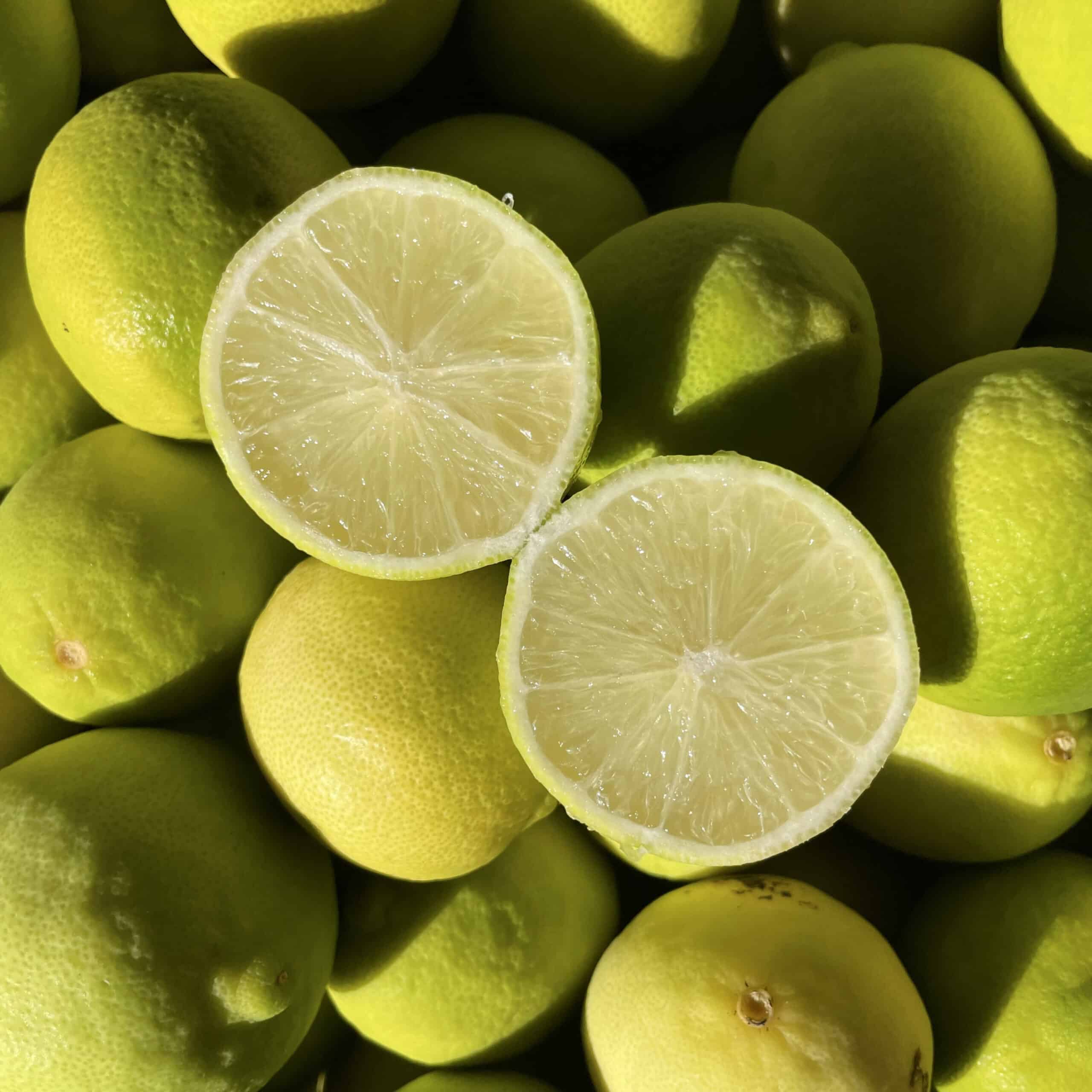
To plan cocktails or recipes you need an estimate, not a promise: a medium lime can give approximately 20-30 ml, but size, maturity and temperature change the result significantly.
The short answer
For 100 ml, start with four or five fruits and add a margin. The figure must be verified on the actual batch: two files of the same diameter can contain different quantities of juice.
The detail that changes the choice
Weighing the fruit first and measuring the juice afterwards is the most reliable way to know your yield. By writing down the data for the first kilo, you can plan subsequent carafes and recipes better.
Season and maturation
As it ripens, the pulp tends to become more pliable and easily squeezeable, while a very dehydrated fruit may seem soft but give little juice. The seasonal harvest therefore affects the calculation.
Because the calendar remains indicative
Temperatures, exposure and the trend of the vintage can bring forward or delay the harvest. For this reason it is better to read the real availability in the shop and not treat a monthly table as a rigid deadline. A seasonal fruit tells the story of the moment in which it was harvested: colour, juice and consistency can change even within a few weeks.
How to choose it when it arrives
Choose heavy files, let them return to room temperature and roll them gently on the surface. Cut them crosswise only when squeezing.
A simple control, without chasing perfection
Natural shape and color are not always uniform. Above all, integrity, aroma and consistency consistent with the variety count. Small surface marks do not automatically make the product less good; Soft areas, fermented odors or deep cuts deserve attention. Separating the more mature specimens immediately helps to consume them in the right order.
Storage and management of stock
Filter the juice if you need a clear drink and use it immediately. Store it covered in the refrigerator for a few hours; for a longer supply, freeze it in small labeled cubes.
How to use it in the kitchen
One hundred milliliters is enough for several vinaigrettes, for a small carafe or to balance a sweet preparation. Do not automatically replace lemon juice: acidity and aroma are not identical.
First taste, then correct
The doses of sugar, salt, juice or spices must be adapted to the raw material. An initial tasting avoids excessive corrections and leaves the main flavor recognizable. If you are trying a new variety, prepare a small portion first: it will be easier to understand which cut, cooking or combination does it justice.
The most common errors
Assuming a universal yield, squeezing very cold fruits and crushing the zest until bitter notes are extracted. Filtering too early and leaving the juice exposed to the air also attenuates the scent.
How much to buy and for what use
If the recipe calls for 250 ml, don’t just multiply the average number: order 10-20% more or plan an alternative use for any leftover fruit.
A useful choice, not just a curious one
A simple measure transforms the purchase into a concrete decision. The first squeezing becomes the reference data for dosing the cassette, avoiding both deficiencies and excesses.
Frequently asked questions before purchasing
Does this guide apply to every crop?
The criteria described for how much juice a lime contains are practical, but they do not erase the natural differences between vintages and batches. The actual product may vary in size, color and aromatic intensity. Then use the guide as an observation grid: check the updated sheet, taste when possible and adapt storage and recipes to the maturation you find in the package.
Is a small format or a cassette better?
Small format reduces risk when you just want to learn about the product. The cassette becomes convenient if you have space, more people or a transformation plan. Count the actual meals and assign at least two destinations to the supply in advance. Price per kilo and convenience do not coincide when a part remains unused: the right format is the one you can consume well.
From information to a concrete choice
A useful page doesn’t just tell curiosities: it helps you recognize, conserve and use what you buy. Before adding the product to the cart, check the period, weight and description. Upon arrival, observe each piece, separate those to be used first and note the yield or maturation times. This domestic data is worth more than an abstract rule and makes the next order even more precise.
Buy the recommended product from Sicilia Agrumi
Ready to move from the guide to your kitchen? Check availability, pack size and price in the Sicilia Agrumi shop. Choose the right amount, check the season and plan how you will use it before ordering.


