


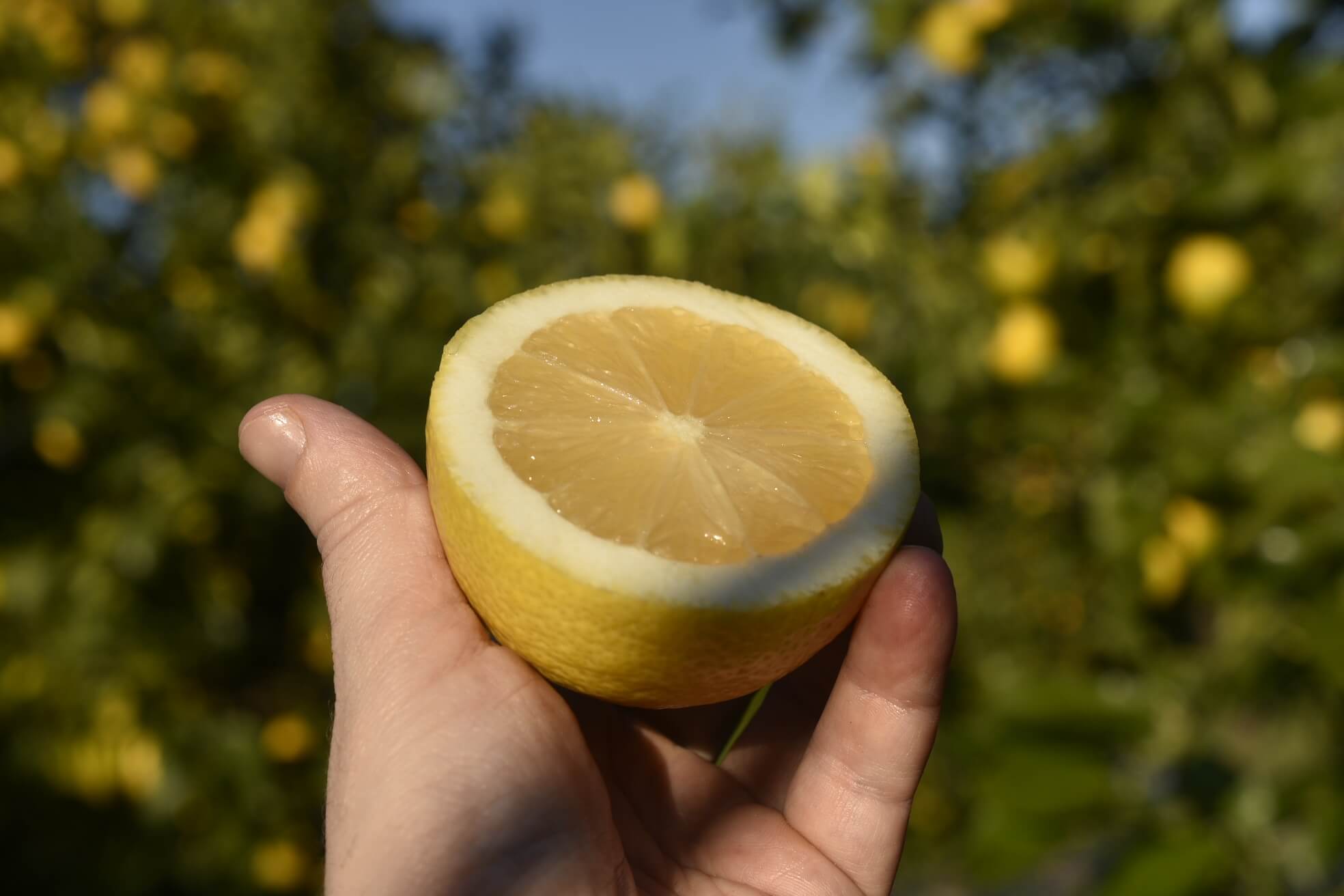
A vinaigrette is not oil with a random squeeze of lemon. A starting ratio and a tasting make the emulsion repeatable and suitable for the dish.
Ingredients and doses
For approximately 120 ml use 80 ml of extra virgin olive oil, 30 ml of lemon juice, a teaspoon of mustard, salt and pepper. Keep more juice to correct.
The raw material decides the result
The acidity varies between fruits and types. Squeeze, filter and taste; the zest enters only if edible.
Step by step preparation
Dissolve salt and mustard in the juice, then pour in the oil, whisking. In a jar you can shake vigorously for twenty seconds.
The right point
The emulsion must veil the leaves but will remain temporary. If it separates, shake again: it’s not a defect.
How to adjust taste and consistency
For delicate salads, use three parts oil and one part juice; for roasted vegetables it increases the acidity. Salt dissolves better in the aqueous phase.
A variant worth trying
Add honey for bitter greens or chopped herbs for fish. A spoonful of orange juice softens the profile.
What not to change all together
When you try the recipe for the first time, change only one variable: sweetness, density or aroma. Changing liquids, sugar, and timing at the same time makes it difficult to figure out what worked. Write down the actual doses and the yield: for the next preparation you will be able to adapt the quantity of fruit or vegetables with much more precision.
How to serve it
Dry salads, fennel, artichokes and fish to finish. Use a little and add, because removing it is impossible.
Conservation and safety
Keep in the refrigerator for two to three days, especially if it contains herbs or mustard. Bring to temperature and shake before use.
Prepare in advance without losing quality
If you want to get ahead, only complete steps that don’t compromise scent and texture. Store crunchy garnishes, herbs and zests separately; add them just before serving. Use clean containers, cool cooked preparations quickly and do not leave perishable foods at room temperature longer than necessary.
Mistakes to avoid
Pour oil before dissolving the salt, use too much juice without tasting or prepare it hours in advance with fresh herbs. The structure and aroma are affected.
Organize the purchase
One lemon makes more vinaigrette than you need in a salad. Plan other uses for the juice and zest, or prepare a smaller amount.
Practical questions about the recipe
Can I adapt the doses?
Yes, but it is better to maintain the proportions and recalculate with the scale. For lemon vinaigrette, doubling the ingredients may require a larger container or two cooking times: increasing the quantity does not always mean doubling the time. When making cold preparations, also consider the space available in the fridge or freezer. Test with the basic dose before preparing it for many guests.
How do I choose the format in the shop?
Start from the net quantity indicated in the ingredients and consider peels, stones, shells or cores when present. A small format is ideal for the first attempt; a box makes sense when you have already planned a second preparation for the leftovers. Check availability and seasonality in the card: purchasing in the correct period offers a more consistent raw material and makes it easier to adjust the recipe.
From the trolley to the kitchen: a simple plan
Before ordering, check the pantry, containers and times. Upon arrival, open the package, separate the ripest elements and plan consumption: main recipe, fresh use and possible transformation. This small plan avoids impulsive purchases and ensures that the link to the product is not a generic promise, but the concrete step between reading and preparation. Quality is also preserved by organizing the days following delivery well.
Buy the recommended product from Sicilia Agrumi
Ready to move from the guide to your kitchen? Check availability, pack size and price in the Sicilia Agrumi shop. Choose the right amount, check the season and plan how you will use it before ordering.


