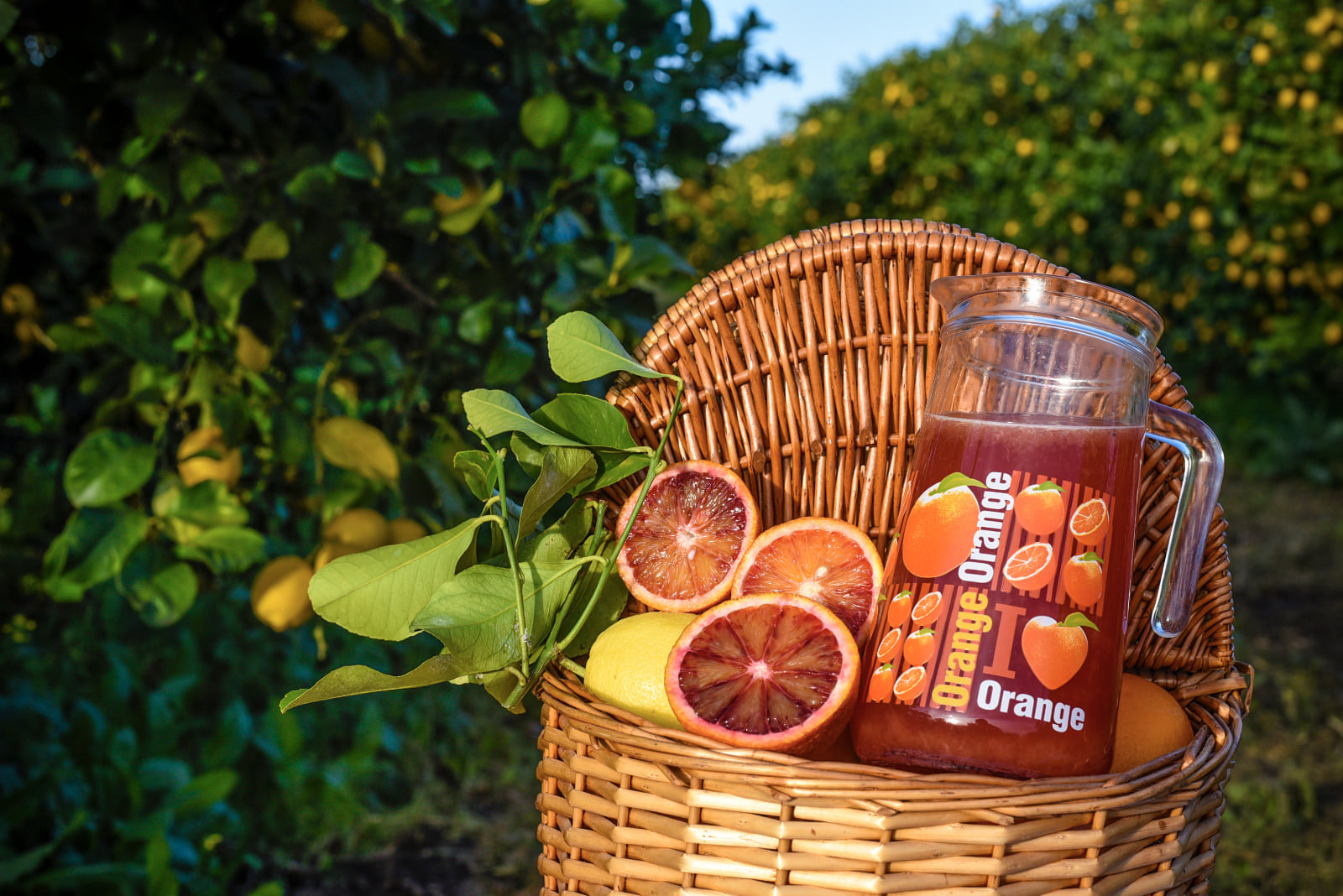
To prepare one liter of juice you need on average 2 to 2.5 kg of oranges, that is, approximately 8-12 fruits. It’s an estimate, not a rigid formula: a small orange full of juice can yield more than a large fruit with thick skin. The variety, caliber, time of season and even the type of juicer change. Knowing these factors is especially useful when you order a box and want to understand how many breakfasts it will cover.
The average yield of oranges for squeezing
A good orange can provide around 40-50% of its weight in juice. From one kilo you therefore obtain, approximately, 400-500 ml. To reach one liter it is prudent to calculate 2.2 kg, keeping a small margin. In home tests, the quantity also changes based on how thoroughly the fruit is squeezed: insisting until the albedo is crushed, however, can bring bitter notes without really increasing the pleasant part of the juice.
Number of fruits or weight: which data is more reliable?
The weight is much more useful. Eight 250 g oranges correspond to two kilos; eight 140 g fruits barely exceed one kilo. This is why a recipe that only indicates “four oranges” can produce very different quantities. If you need to serve more people, purchase and calculate in kilograms. The number remains convenient for the routine: after the first two juices with the same cassette you will immediately know how many fruits you need for your glass.
Table and juice oranges: does the quality change?
The term “from juice” often indicates above all a smaller caliber or a less uniform appearance, not a second choice fruit. Large oranges are easy to peel and beautiful to serve; the smaller ones can be very juicy and convenient for the glass. The important thing is freshness, the relationship between sweetness and acidity and the absence of damaged parts. A peel with natural marks does not compromise the juice.
Which varieties to choose during the year
Navels open the season with a sweet and fragrant juice, normally seedless. In the middle of winter, Tarocco and Moro give color and character: the pigmentation of reds also depends on temperature variations and can vary. Later, late varieties such as Valencia and Ovale allow you to continue juicing when winter is over. There is not a single perfect orange for twelve months; following the season brings fruits into the glass that are more consistent with their natural harvest time.
Because the juice may seem sweeter or more acidic
Sugars increase with maturation, while acidity tends to change over the course of the season. Temperature and storage also influence perception. A cold orange from the refrigerator seems less aromatic; left to rest for a few minutes, it smells better. Don’t add sugar immediately: taste and, if the juice is very intense, try mixing two varieties or diluting it with a small amount of water.
How to get more juice without making it bitter
- Bring the oranges to room temperature.
- Roll them on the surface with light pressure, without breaking them.
- Cut them transversally in relation to the segments.
- Use regular pressure and do not dig forcefully into the white part.
- Drink the freshly prepared juice or keep it for a short time in the refrigerator.
An electric juicer is convenient for large quantities, but a good manual model can give an excellent result. The juice does not become better because the pulp is shredded down to the last fiber.
How many boxes to order for breakfast
If a person drinks 250 ml a day, approximately 500-600 g of oranges are needed. In a week it is about four kilos; for two people it can reach eight. The calculation helps you choose the format without exceeding. The Navel oranges from Sicily are available in various weights and calibres: the juice format favors yield, the table format favors convenience, and a cassette can naturally be used in both ways.
A practical answer
For one liter start from 2.2 kg or 10 medium oranges. Weigh the fruits once and measure the juice obtained: it will be the most precise data for that variety and that moment of the season. Nature does not produce identical pieces, which is precisely why a realistic range is worth more than a number promised per milliliter.
Frequently asked questions before we start
Can I prepare or organize everything in advance?
It depends on the preparation, but one rule is always useful: keep the most delicate parts separately and combine them as late as possible. Juice and zest lose their scent over time, while humidity and temperature changes change consistency. If working ahead, use clean containers, date and maintain the cold chain when the recipe calls for it. A fresh result often comes from good organization, not from a last ingredient added to correct.
How do I choose suitable oranges?
Look for fruit that is heavy for its size, intact and consistent with use: small caliber for lots of juice, medium or large for segments and presentation. If the recipe uses zest, check that the peel is declared edible. The variety matters, but its harvest time also matters. Tasting the fruit before measuring out sugar, vinegar or spices avoids most errors and makes each preparation suitable for the box that actually arrived.
From the recipe to your order: choose Sicilia Agrumi
Would you like to start with fresh Sicilian citrus fruit suited to this recipe? Discover and buy the recommended product from the Sicilia Agrumi shop. Choose the box size according to the number of people you are serving: the fruit comes directly from the grower, and anything left can be enjoyed fresh or used in another recipe.