


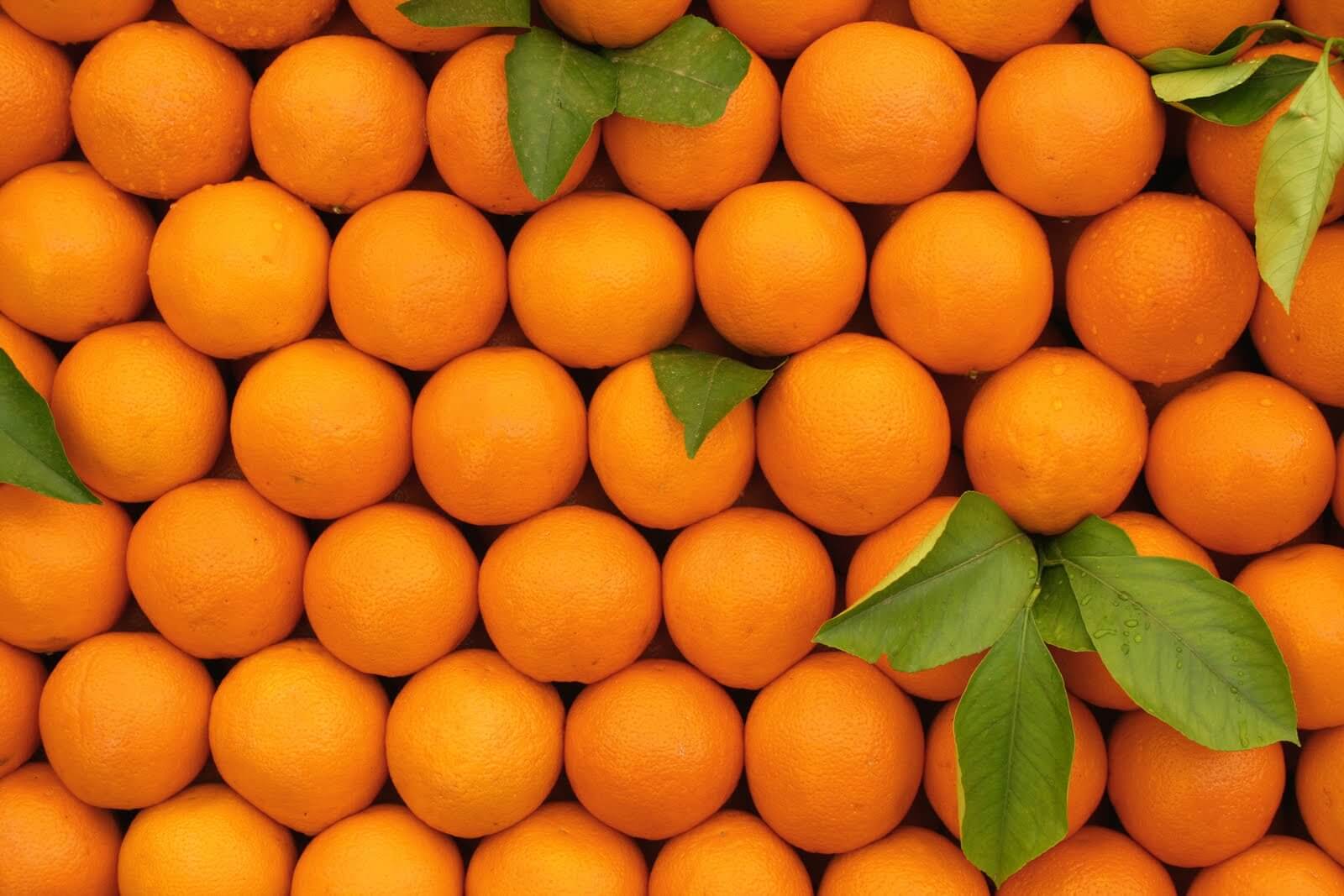
With a traditional juicer the orange is cut in half and the peel remains almost entirely outside the juice. With a centrifuge or some extractors, however, you could insert the whole fruit. Is this really a good idea? The short answer is: only in specific cases and in a small proportion. The peel contains very aromatic oils, but also a bitter white part; furthermore it should only be used if declared edible and washed carefully.
Citrus juicers, centrifuges and extractors do not do the same job
The citrus juicer presses the pulp and retains the zest and most of the pith. It is the most suitable tool for a classic juice. The centrifuge crushes the ingredients and quickly separates the liquid from the fibers; the extractor works more slowly, crushing the product. If you insert a whole orange into the latter machines, a portion of the peel and white part will inevitably enter the result, modifying the aroma, consistency and bitterness.
The decisive point: is the peel edible?
“Edible peel” is not a decorative expression. Indicates that the coating can be used for food according to the manufacturer’s information. Many conventional oranges receive post-harvest treatments or waxes and carry a warning not to use zest. In that case the fruit must be peeled before entering the centrifuge or extractor. Even an edible peel must be washed under running water and scrubbed with a clean brush.
Are organic and edible peel synonymous?
They should not be taken for granted as equivalent in every package. The organic method limits the products that can be used, but the indication to read remains that of the edibility of the peel and any treatments after harvesting. By purchasing directly from the manufacturer it is easier to obtain clear information. The Sicilia Citrus oranges indicated with edible peel can be used for zests and preparations, after normal household washing.
Why does juice with the peel become bitter
The orange part contains intense essential oils; the white albedo contains bitter substances. A small strip of zest can make the juice more fragrant, while a chopped whole fruit risks covering the sweetness and acidity of the pulp. Bitterness can increase over time: an initially pleasant drink becomes more sour after a few minutes. If you want to experiment, peel the orange almost completely and leave only a thin colored stripe.
The recommended method for centrifuge or extractor
- Wash and dry the fruit.
- Take, if you want, very little zest from the colored part.
- Remove all the peel and most of the pith.
- Divide the orange into pieces compatible with the machine and eliminate any seeds.
- Insert the zest at the end, little by little, tasting.
This way you control the taste instead of relying on the random thickness of the peel. For a more balanced drink you can combine carrot, apple or ginger, but the orange must remain recognisable.
Do you lose fiber by removing the peel?
A juice or an extract still contains less fiber than fruit eaten whole. Chasing the fiber by shredding the peel is not the most pleasant solution. If you want to keep more, blend the peeled segments in a blender and dilute with water, or eat an orange alongside the drink. Pulp and edible membranes offer fiber without bringing excessive amounts of oils and albedo into the glass.
How to use zest well without wasting it
Edible zest can be grated onto yogurt and cakes, frozen in small portions, dried or used in a marinade. It takes only the colored layer and uses minimal doses: its job is to perfume. The remaining part of the fruit must then be squeezed normally. Separating the steps gives you more control and allows you to really take advantage of the whole orange.
Which oranges to buy for juice and zest
Choose fresh, juicy fruits with an explicit indication of edible peel if you intend to use the surface. The ORGANIC Navel oranges from Sicily are seedless and suitable for both juicing and cooking. To drink the juice, however, the simplest way remains the best: squeezed pulp, separately dosed zest and consumption immediately after preparation.
Frequently asked questions before we start
Can I prepare or organize everything in advance?
It depends on the preparation, but one rule is always useful: keep the most delicate parts separately and combine them as late as possible. Juice and zest lose their scent over time, while humidity and temperature changes change consistency. If working ahead, use clean containers, date and maintain the cold chain when the recipe calls for it. A fresh result often comes from good organization, not from a last ingredient added to correct.
How do I choose suitable oranges?
Look for fruit that is heavy for its size, intact and consistent with use: small caliber for lots of juice, medium or large for segments and presentation. If the recipe uses zest, check that the peel is declared edible. The variety matters, but its harvest time also matters. Tasting the fruit before measuring out sugar, vinegar or spices avoids most errors and makes each preparation suitable for the box that actually arrived.
From the recipe to your order: choose Sicilia Agrumi
Would you like to start with fresh Sicilian citrus fruit suited to this recipe? Discover and buy the recommended product from the Sicilia Agrumi shop. Choose the box size according to the number of people you are serving: the fruit comes directly from the grower, and anything left can be enjoyed fresh or used in another recipe.


