


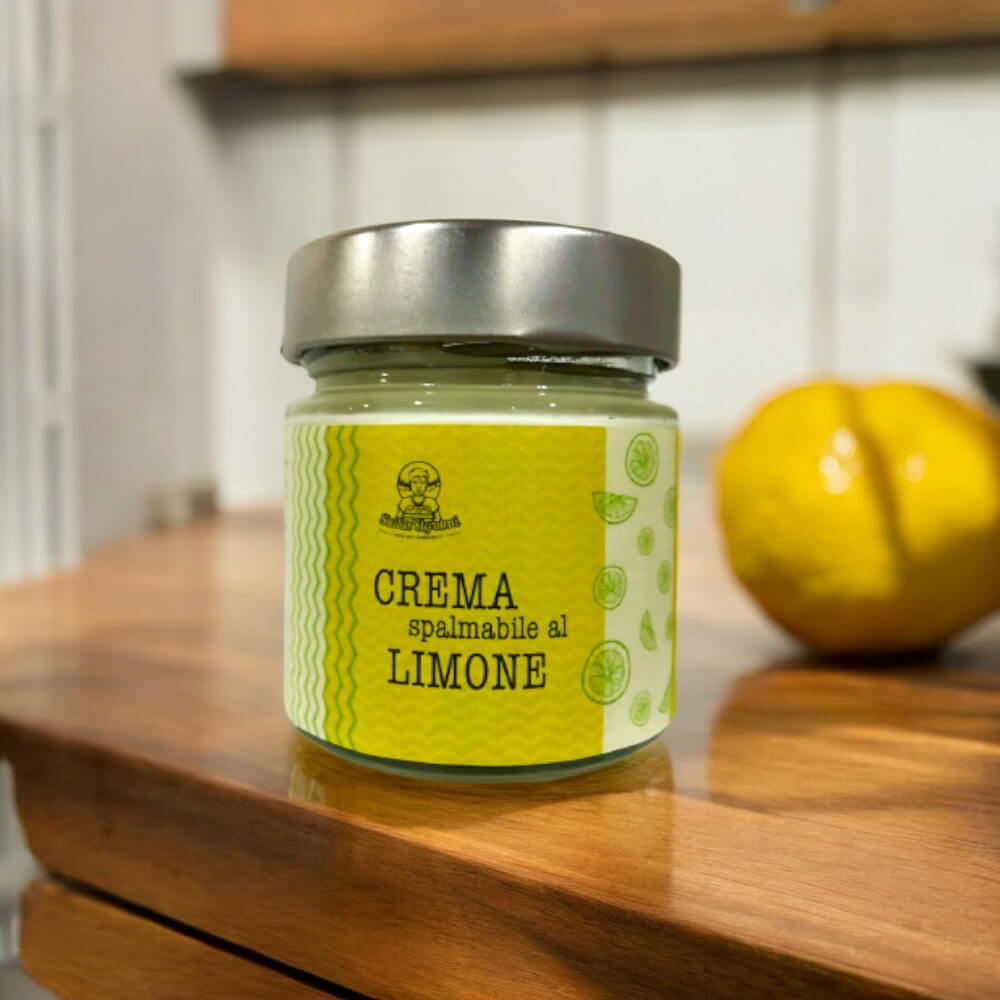
“Lemon cream” can mean two quite different preparations. In Italy it often refers to pastry cream scented with zest and sometimes a little juice; in English-speaking baking, lemon curd is a sharper mixture based on lemon juice, eggs, sugar and butter. Knowing the difference prevents you from choosing a filling with the wrong texture for your cake.

Italian lemon pastry cream
For roughly 500 g of cream use 500 ml milk, 4 egg yolks, 100 g sugar, 40 g cornflour, the zest of one Sicilian lemon with edible peel and, if you want a sharper flavour, 20-30 ml strained juice added carefully.

How to avoid lumps
Mix yolks, sugar and cornflour in a bowl while warming the milk with the zest. Pour some hot milk onto the egg mixture, whisk and return everything to the saucepan. Cook while whisking until thick. If adding juice, do it gradually: a large amount of acidity can affect a milk-based cream.
Zest gives more perfume than juice
Juice contributes acidity; zest gives the aroma that immediately reads as lemon. A good pastry cream therefore does not need to taste aggressively sour. Use only the yellow outer layer and avoid the white pith. Once the milk is infused, strain the zest or leave a little finely grated peel in the finished cream.
What is lemon curd?
Classic lemon curd contains no milk. It is made from lemon juice and zest, sugar, eggs and butter. The result is brighter, glossier and more concentrated than pastry cream. It works particularly well in tarts and lemon meringue pie; Sicilia Agrumi already has a lemon meringue recipe using this style of filling.
Which is better for a cake?
For sponge cake, choux pastry and soft tarts, pastry cream is milder and can be used generously. For meringue tarts or a thin sharp layer, curd works better. You can even combine the two: a little curd folded into pastry cream creates a fragrant but still soft filling.
A spreadable version
If you want something different from both, the shop also carries a Sicilia Agrumi lemon spread for toast, croissants and fillings. It should not be confused with freshly cooked pastry cream: its texture and storage requirements are different.


