


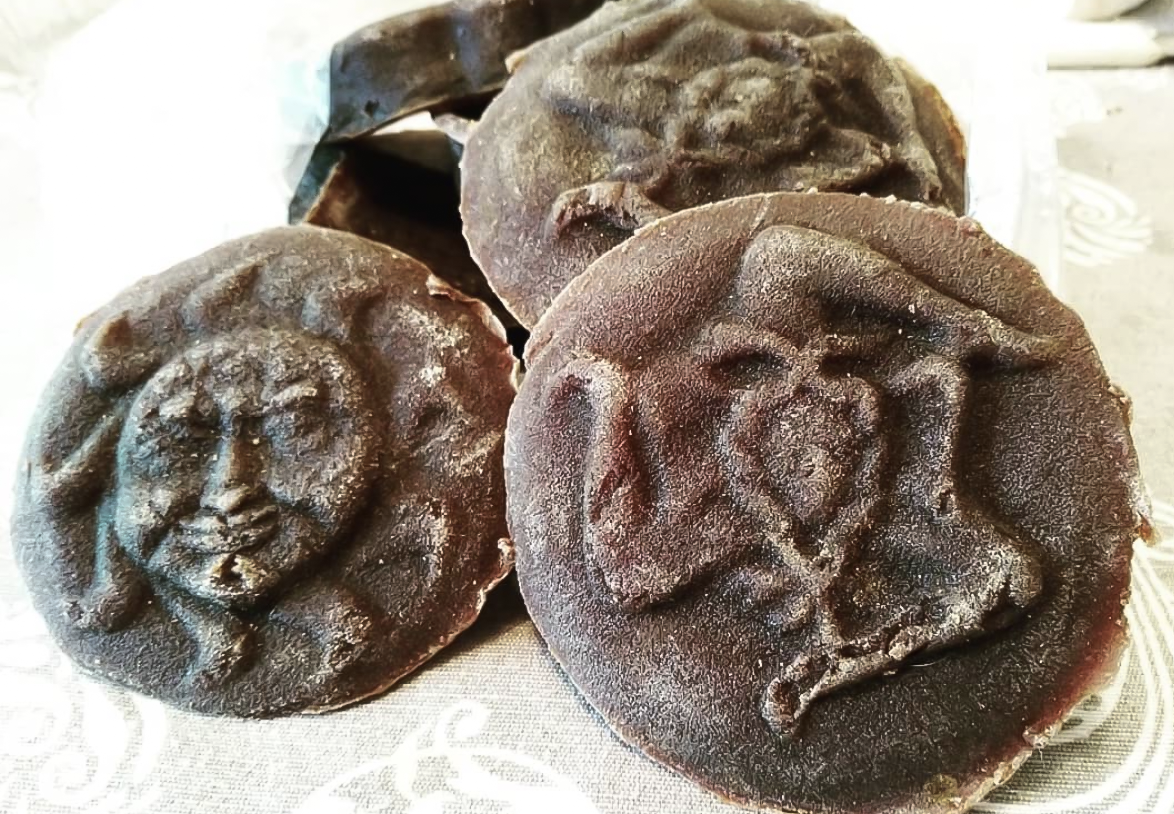
Prickly pear mustard is among the most traditional Sicilian recipes ever. A gift to Italian gastronomy that, once tasted, is virtually impossible to forget. Prickly pears belong to the lands of Sicily, which welcomes them and helps them grow strong on the outside and juicy on the inside.
History teaches us that figs have always been part of the tables of Sicilian families, who over time have learned to take advantage of their unique and irreplaceable taste. We will discover together what are the characteristics of Sicilian prickly pear mustard and how to make it, so you can enjoy it directly at home.
The important thing is to be able to identify the best prickly pear figs, coming directly from Sicily and from controlled cultivations. In this way, you ensure the perfect mix of taste and nutrition.
Original Prickly Pear Mostarda Recipe
Sicilian prickly pear mustard is generally made during the “harvest period,” between the months of July and October. The history of the original recipe is to be associated with Catania, whose province was home to the first fig mustards ever made. Below we leave all the ingredients needed to make it, so you can get them before giving it a try. – 10/15 kg of prickly pears
– 6/7 cloves
– 4 cinnamon sticks
– cinnamon powder qb
– flour 00 (100 g for each liter of liquid) You can buy small molds to change the final shape of your prickly pear mustard, or use a simple baking sheet and then cut the mustard into several squares. The choice depends very much on taste, partly because tradition is quite flexible on the subject of “shape.”
Proceedings
The first thing to do to start preparing Sicilian prickly pear mustard is to clean the figs. Use rubber gloves, so you can avoid injuring your hands with the spikes.
Rinse the fruits under running water and peel them with the help of a knife, until only the inner pulp remains. At this point, equip yourself with a rather high-sided pot and add all the cleaned figs, a few cloves and cinnamon sticks inside.
Turn on the flame and cook until you notice that the figs begin to break up. The liquid contained within them will show, giving you the signal you need to move on to the next step in the recipe. Take a fine-weave strainer and strain the juice from the figs. When you encounter pieces of pulp, mash them with a fork so that they release as much juice as possible.
Repeat the step a couple of times and then pour the liquid into the same pot you used before. Turn the flame back on to medium heat and wait until the prickly pear juice has halved in volume. Then comes the time for the flour, one of the most important steps in making mustard. Try to figure out how much liquid you have obtained-help yourself with a jug that marks liters-and consider 100 g of flour for every liter of liquid.
Pour the flour into the pot and start stirring vigorously with the help of a kitchen whisk. Be very careful to avoid the formation of lumps, continuing to stir until you have obtained a smooth and homogeneous consistency. At this point, the prickly pear mustard should be transferred to its own molds-or to the baking sheet in the oven. You can let it dry naturally in the sun, as tradition dictates, or dry it in the oven at about 120°. Once ready you can store it in an airtight container for several months.
Your Sicilian prickly pear mustard is finally finished and ready to be eaten.


