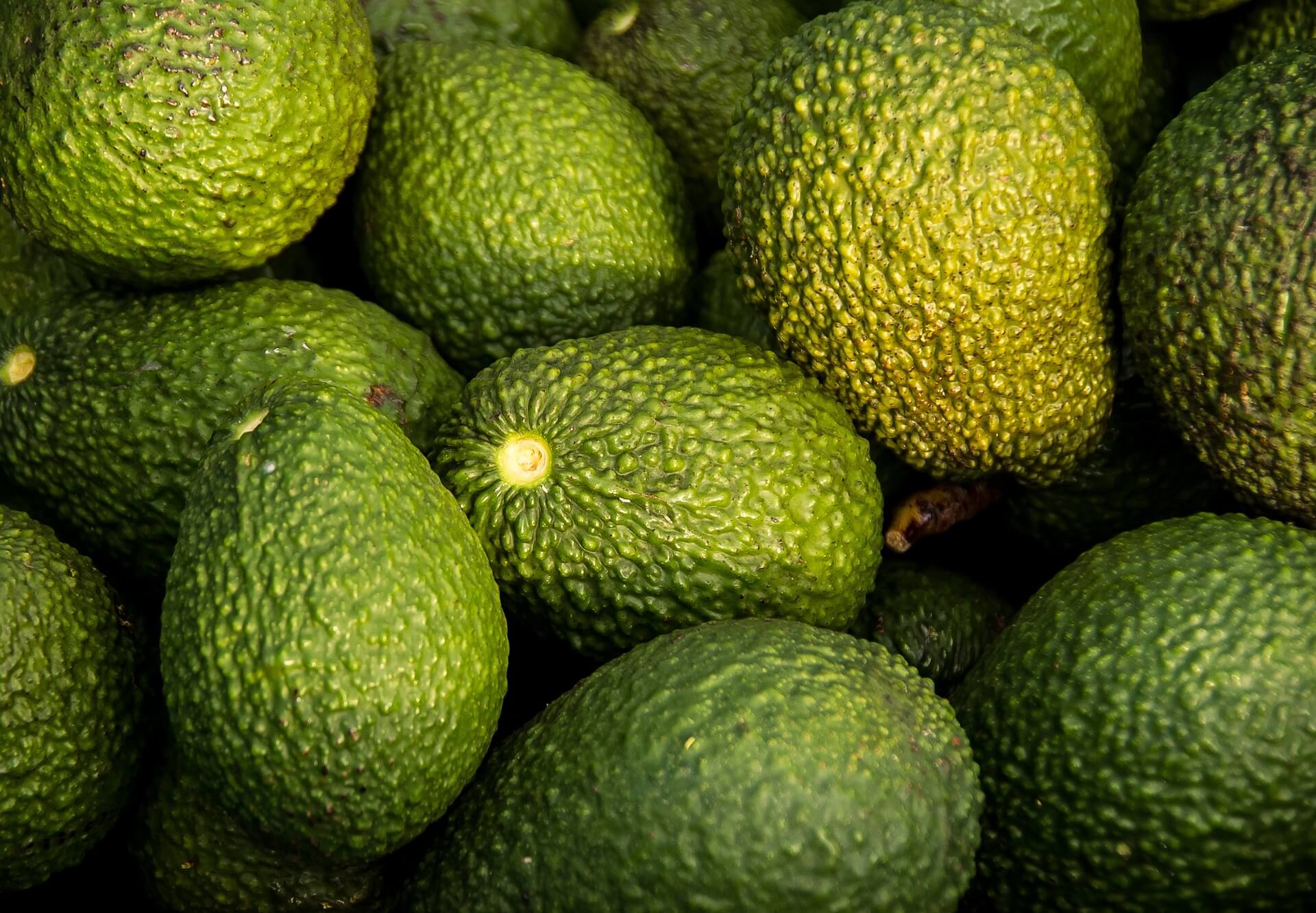
Opening an avocado is a tiny gamble: too early and the flesh is hard, too late and soft dark patches begin to appear. The reason is simple. Avocados are harvested firm and continue a major part of their ripening process after they leave the tree.

That means a firm avocado on delivery is not automatically a bad one. For a box of fruit, it can actually be useful because you can spread consumption across several days instead of receiving everything at peak ripeness at once.
The best test is gentle pressure
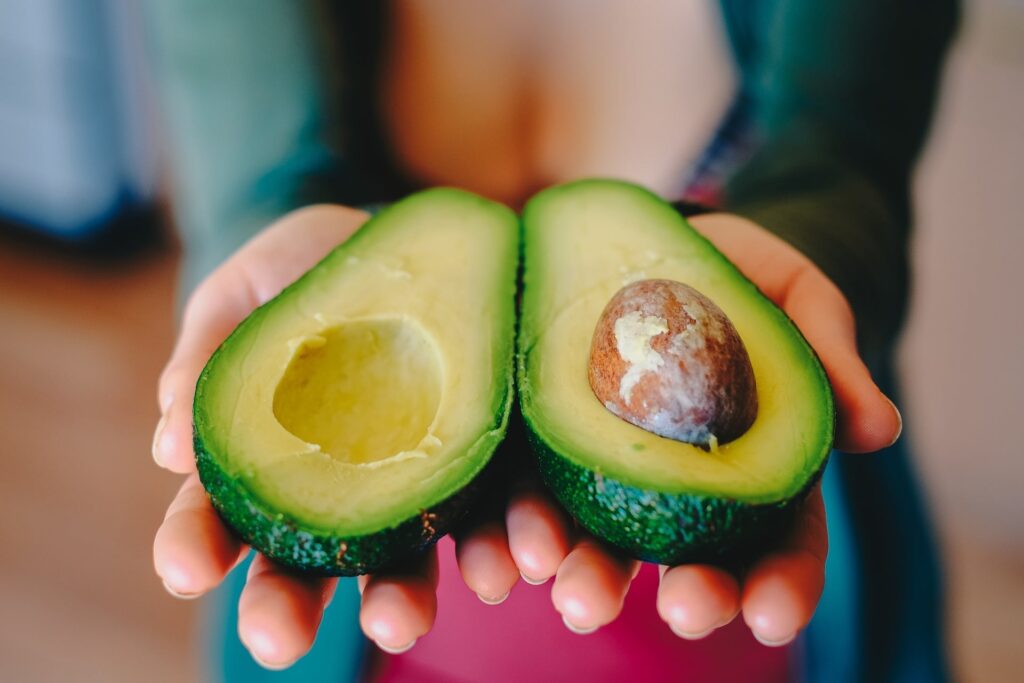
Hold the fruit in your palm and press very lightly. If it feels completely rigid, give it more time. If it yields slightly while keeping its shape, it is usually close to ready. If it collapses under the fingers or has very soft isolated spots, open it soon.
Avoid repeatedly pressing hard with your thumb. That can create bruising inside the fruit, which you may later mistake for a pre-existing defect. An avocado should be checked, not squeezed.
Why skin colour is not a universal rule
Hass commonly moves from green towards darker colours as it ripens, which is why so many guides tell you to wait for a nearly black avocado. The advice fails with other cultivars. Fuerte, for example, can remain green while the flesh is ready.
Sicilia Agrumi offers different cultivars during the season. Knowing which one you have is much more helpful than comparing it with a generic photograph. Browse the Sicilian avocado available now and use variety plus touch, not colour alone.
How to ripen an avocado naturally
The simplest method is the best: leave it at room temperature, away from direct sun and strong heat. Check it once a day. Depending on cultivar and starting maturity, it may need only a couple of days or longer.
To speed things up, put it in a paper bag with a ripe apple or banana. These fruits produce ethylene, a natural plant hormone involved in ripening. The bag keeps more of that gas around the avocado and can move the process along.
Oven and microwave do not truly ripen it
Social-media tricks promise a ripe avocado in minutes using heat. An oven can soften the flesh, but it cannot reproduce all the flavour and texture changes of natural ripening. You get something warmer and softer, not necessarily a better avocado.
If guacamole is due in half an hour and every avocado is rock hard, changing the menu is usually wiser than forcing the fruit. It is less exciting than a viral hack, but wastes less food.
When to use the refrigerator
Cold slows ripening. Very firm fruit usually belongs at room temperature; once an avocado reaches the stage you like, refrigeration can buy you more time if you will not eat it immediately.
With several fruit, make a small rotation: keep two outside and the others cool, then move one out as you use the previous ripe avocado. After a week or two, the system becomes instinctive.
What if you already cut an underripe avocado?
Once cut, it will not continue ripening as well as an intact fruit. If only slightly firm, use it diced in a salad or blended with other ingredients. If it is genuinely hard and bland, no kitchen trick can fully replace the ripening time it missed.
For half a ripe avocado, reduce contact with air and add a few drops of lemon to the cut surface. Some browning is simple oxidation and does not automatically mean spoilage.
The stem trick is useful, but not a perfect traffic light
Removing the small stem cap and looking underneath is a popular test. It can offer a clue, but it is not infallible and unnecessarily opens a small area to air if the fruit still needs several days. Learning cultivar, feel and timing is more dependable.
Once you think of avocado as a fruit that finishes ripening in your kitchen, rather than an object that must be perfect on arrival, it becomes much easier to manage.